What Happens When Everything Slowly Starts Depending On You.
There’s a point in many businesses where the founder becomes the centre of everything. Not intentionally or because they set out to build it that way, but because over time, more and more of the business begins to go through them.
The decisions.
The approvals.
The things only they know how to handle.
At first, it doesn’t necessarily feel like a problem, and in many ways, it can even feel like growth. The business is busier, more complex, more established than it once was, and naturally, more things require your attention than they did in the beginning.
So you adapt; you answer the questions, you solve all the problems, and you become the person people check with before moving forward. And because you care deeply about the business that you’re building, and because you’re capable of holding it all together, you keep doing it.
But you start noticing that progress slows when you step away and things are left waiting for your input. Your team becomes hesitant to move forward without checking with you first, not because they aren’t capable, but because you’ve become the person to go to for things to be confirmed, clarified, or completed.
One of the clearest signs that a business has become founder-dependent is when it still feels like the business is resting on your shoulders even when you’re not working.
In the early stages of a business, keeping everything close makes sense. You’re building quickly, learning and adapting constantly, so it often feels easier to make decisions yourself than to stop and create processes around them.
But what works in the beginning can become unsustainable later on. It becomes harder to fully switch off, harder to step away without feeling like things might fall apart, and harder to create space for bigger thinking, because so much of your energy is being spent holding the day-to-day together.
The difficult part is that this often develops gradually enough that founders barely notice it happening, until one day they realise they can’t take proper time off without checking their phone constantly.
Solving the problem of founder-dependence isn’t about removing yourself from the business entirely, it’s about making sure the business can continue to function without your constant intervention, by creating some structure, and putting some systems in place.
The changes that will help the most are often smaller and more practical than people expect:
Clearer ownership around responsibilities, so people know what they can move forward with independently, and what they can’t.
Better documentation, so knowledge doesn’t only exist in conversations or inside one person’s head.
Simpler systems that support consistency, instead of creating more complexity.
Regularly scheduled catch-ups with team members to reduce the need for constant checking in.
And perhaps the most important one; creating space for other people to build confidence in making decisions without needing reassurance every step of the way.
None of this will happen overnight, founder-dependence is usually built slowly, and the process of untangling it will happen slowly too, but those small shifts can make an enormous difference.
The goal isn’t to become less important to the business, it’s simply to stop being the thing the entire business depends on in order to function.
If you’re ready for your business to feel calmer, clearer, and more supported, you’re in the right place, and I would love to help!
Sarah
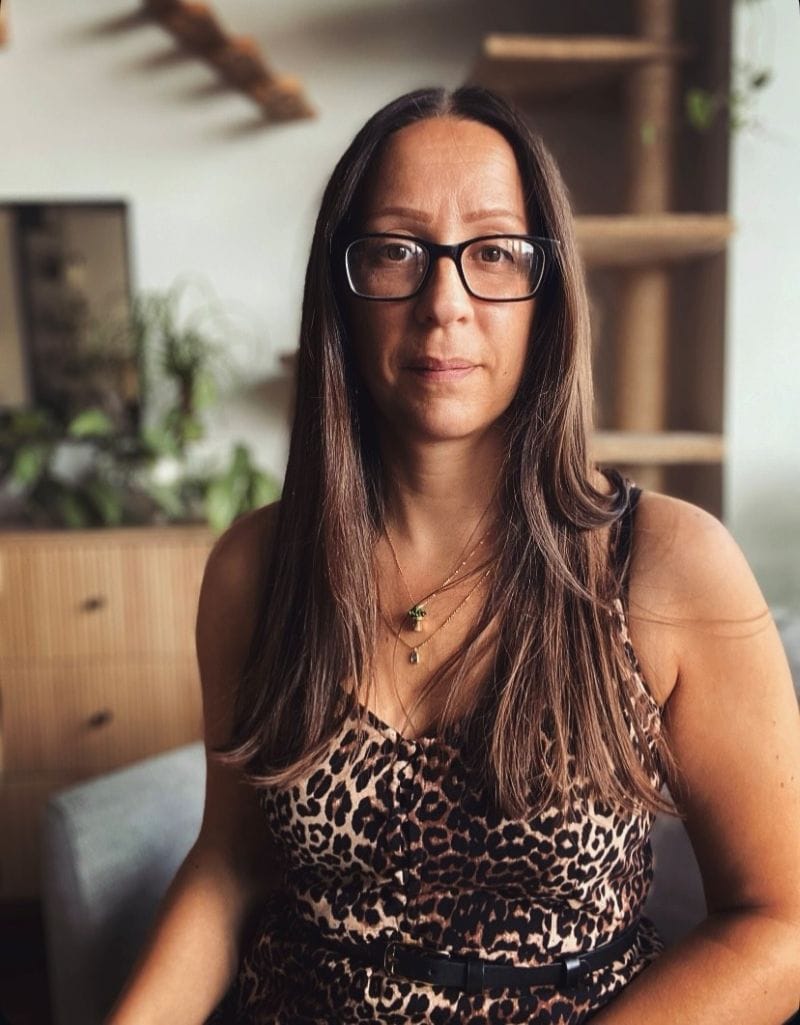
Hey, I’m Sarah, the founder of Executive Services by Sarah.
Whether you’re a solo entrepreneur, a small business owner, or a busy executive juggling multiple responsibilities, you’re in the right place.
I specialise in providing high-quality Virtual Assistant services that help you stay organised, focused, and productive.
With a background in Executive Support and a passion for helping others succeed, I created this business to give professionals like you the freedom to concentrate on what truly matters – growing your business.
If you'd like to chat about how I can help, please do get in touch!
Sarah